Better Together: Balancing Self-Serve Tech and Human Experience

How smart self-service and real human support work better together
Just a few years ago, consumers often chose human contact over digital tools, but by 2025 many expect both smooth tech and real support, as shown in current employee experience trends that balance digital ease and human trust from a 2025 employee experience report.
The Rise of Self-Serve Expectations
Self-service did not become popular because people stopped valuing relationships. It became popular because time is limited and expectations are higher.
Employees now expect to:
-
Book appointments online
-
Track their relocation progress in real time
-
Access information without waiting for emails
When self-serve tools are designed well, they remove friction for everyone. HR teams spend less time chasing updates. Employees feel informed and in control. Programs scale more smoothly.
CapRelo has seen this shift firsthand across its employee experience and mobility solutions:
https://www.caprelo.com/employee-relocation/
But self-service alone is not enough.
Why Human Connection Still Matters
Relocation decisions affect families, finances, and emotional well-being. No automated tool can replace reassurance, judgment, or empathy.
When something unexpected comes up, and it often does, people want:
-
A real answer, not a generic response
-
Someone who understands the bigger picture
-
Confidence that their situation matters
Programs that rely too heavily on automation risk feeling impersonal. Employees may complete tasks, but they do not feel supported. Over time, that erodes trust.
This is why CapRelo continues to invest in both technology and people, not one at the expense of the other.
CompanionFlex: Self-Serve With a Human Safety Net
CompanionFlex was built to meet people where they are.
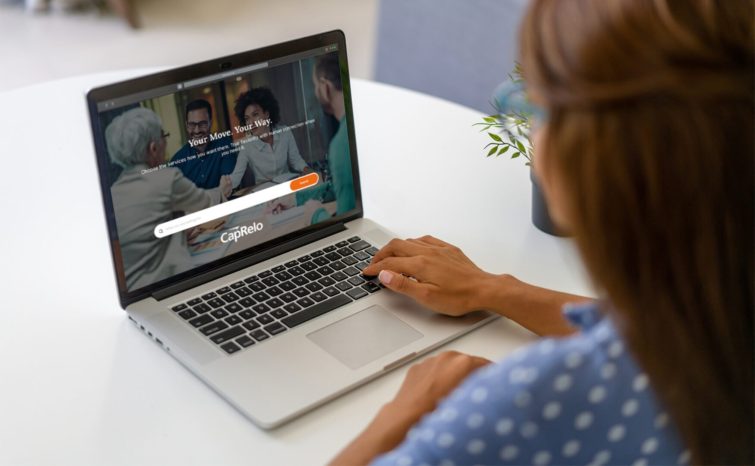 The platform allows relocating employees to self-schedule time with CapRelo consultants, review information on their own, and move at a pace that works for them. At the same time, it keeps expert guidance easily accessible when decisions become complex.
You can learn more about how CompanionFlex supports flexibility and choice here:
https://www.caprelo.com/technology/companionflex/
That balance matters.
In one summer month alone, employees used CompanionFlex to schedule hundreds of appointments with CapRelo consultants. Even with self-service available, many still chose to connect with a real person. That behavior speaks volumes.
CompanionFlex does not replace consultants. It removes friction so conversations happen at the right time, with better context, and more impact.
What This Balance Looks Like in Practice
The strongest relocation programs today follow a simple model:
-
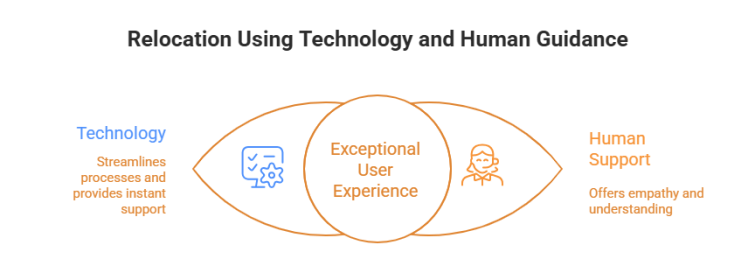
Technology handles scheduling, visibility, and routine steps
-
Consultants focus on complex decisions and personal guidance
-
Employees choose how and when they engage
This approach supports different working styles and comfort levels. Some employees want to move quickly through the basics. Others want more hands-on support. Most want a mix.
For HR and mobility teams, this means fewer bottlenecks and clearer insight into progress. For employees, it means feeling supported without feeling managed.
CapRelo explores this balance further in its perspective on how technology can enhance, not replace, human connection in mobility.
Looking Ahead
As automation and AI continue to evolve, the most successful relocation programs will be the ones that use technology to strengthen human connection, not replace it.
Relocation will always involve change, stress, and important decisions. Tools like CompanionFlex show that when self-serve technology and human expertise work together, the experience becomes smoother, more flexible, and more human.
That is what modern relocation should feel like.
Insights + Resources
View all
International Relocation Checklist: The Complete Step-by-Step Guide to Moving Abroad

2026 Relocation Trends: Overcoming High Costs & “Golden Handcuffs”

French Language Compliance in Global Mobility (2026): What HR Needs to Know
